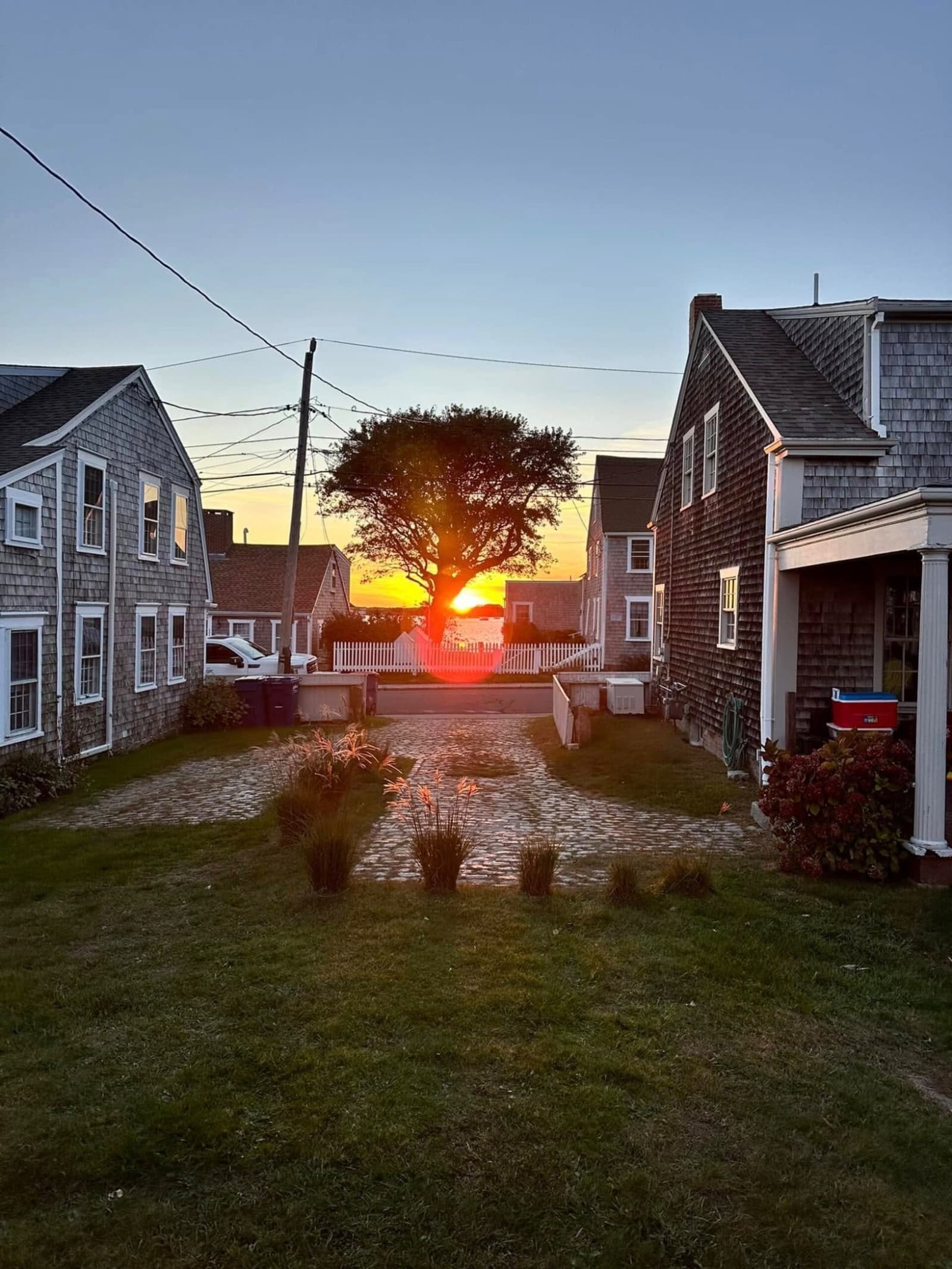
The District
In 1992, Westport Point was added to the National Register of Historic Places. The designation recognized what anyone walking Main Road already knew: this village looks the way coastal New England is supposed to look because it never stopped being that way. The district encompasses an early coastal village set at the confluence of two branches of the tidal Westport River, with architectural history spanning the late 18th century to the early 20th.
But that listing is mostly recognition. What actually keeps the Point intact is older and more local: since 1973 it has been a protected historic district, where the Westport Historical Commission reviews every change visible from the road: the windows, the clapboards, the rooflines, the fences. That is the line that holds. It is why an evening walk down Main Road feels like stepping back a century: by law, the street stays that way. The Commission's charge is three words long, to preserve and protect.
What You'll See
The earliest surviving homes are Colonial: simple wood-frame structures built for function in a working port. After the Revolution, the Federal style arrived with more refined proportions, decorative details, and the widow's walks that became the signature of whaling-era architecture. A wife would climb to the rooftop platform and watch the harbor for her husband's ship. Some of those walks are still intact.
Greek Revival is the most common style at Westport Point. The height of fashion during the mid-19th century, these homes feature columned porticos, symmetrical facades, and a classical formality that looked deliberately out of place in a fishing village. That was the point. Whaling money wanted to be seen.
The Westport Point Methodist Church dates to 1884, a Gothic Revival structure and the only church in the historic district. The c.1840 Cory Store is the only commercial building. One and two-story wood frame houses line both sides of Main Road, most of them older than the country.
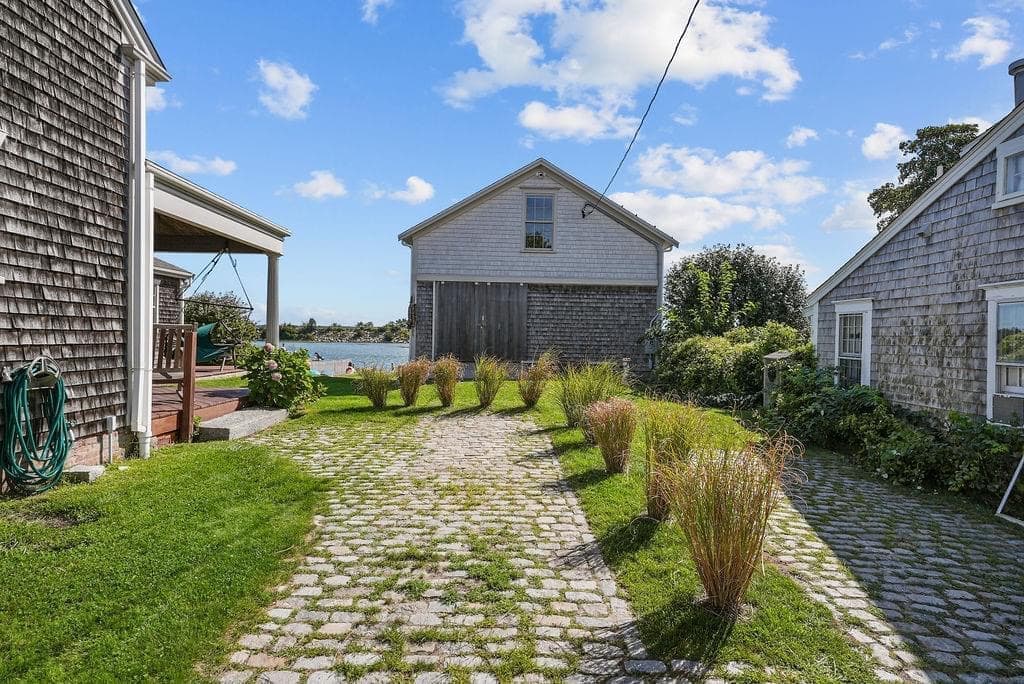
The Valentine House and Victorian Westport
Beyond the Point, Westport's older homes tell a broader story. The Valentine House is one of the town's prominent Victorian-era homes: an ornate porch with decorative brackets, multi-pane windows, heavy millwork, surrounded by mature trees. It represents the fine craftsmanship and individuality that characterize Westport's older architecture. Every home had a personality. The builders cared about details that nobody would notice unless they were looking, which is exactly the kind of work that lasts two hundred years.
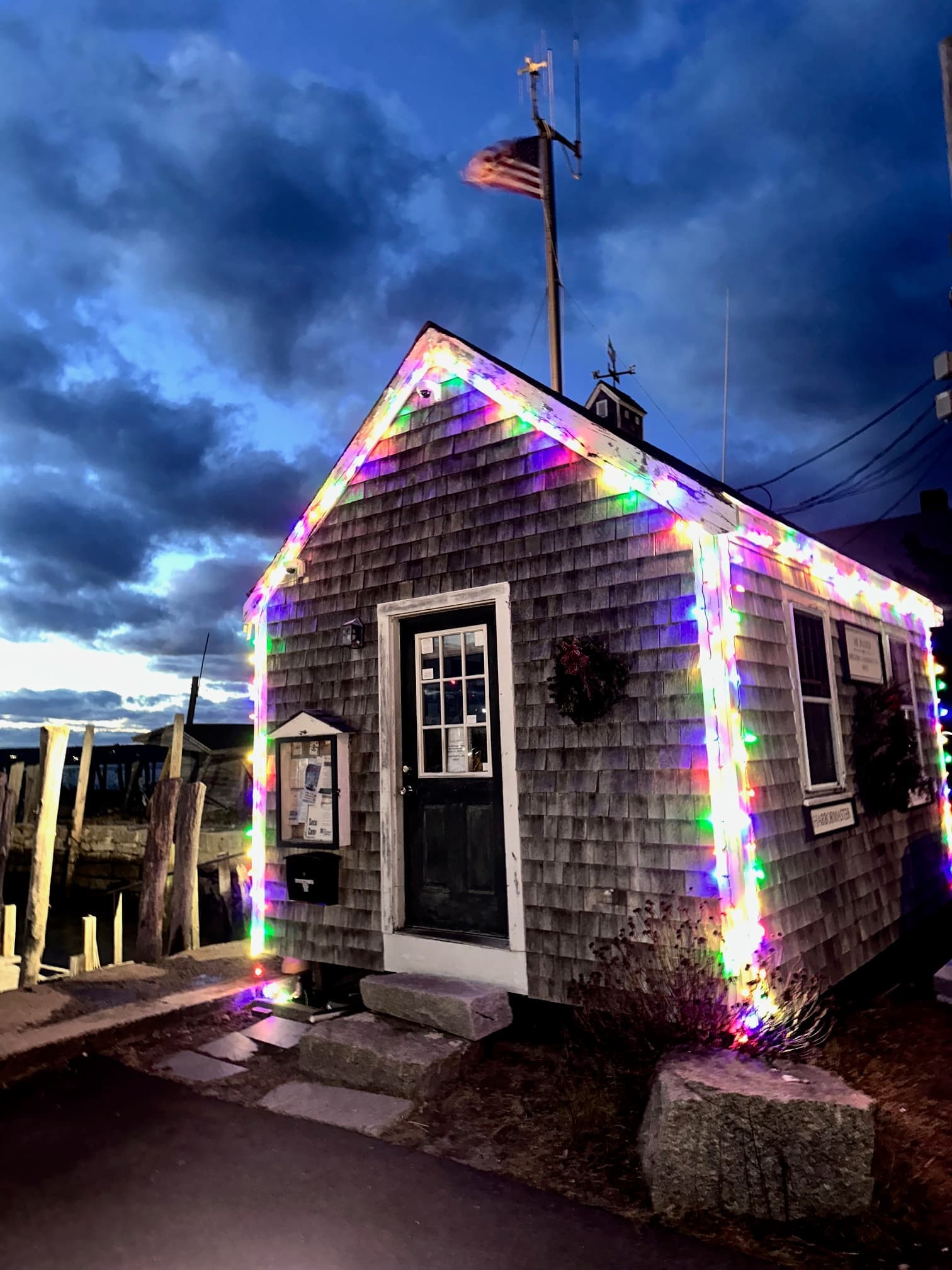
Landmarks You Can See Today
The c.1740 building on the former estate of William Howland, once a fish market, still stands at the Point. One of the oldest commercial buildings on the South Coast.
The site of the Point Bridge, completed in 1894. The bridge rotated to open for vessels traveling the East Branch. Four to six men walked in a circle pushing a long wooden pole attached to a metal key to operate the gear system that swung the draw span open. No motors. Just men and leverage.
The Paquachuck Inn, dating to the whaling heyday. Isaac Palmer's store, sail loft, and tavern from 1829. Lees Wharf, built around 1800 by the Mayhew family and enlarged in 1830. Almy's Wharf, built by one of the oldest families in Westport. And the dry-laid stone walls that line the roads: the kind that take generations to build and no one alive remembers starting.
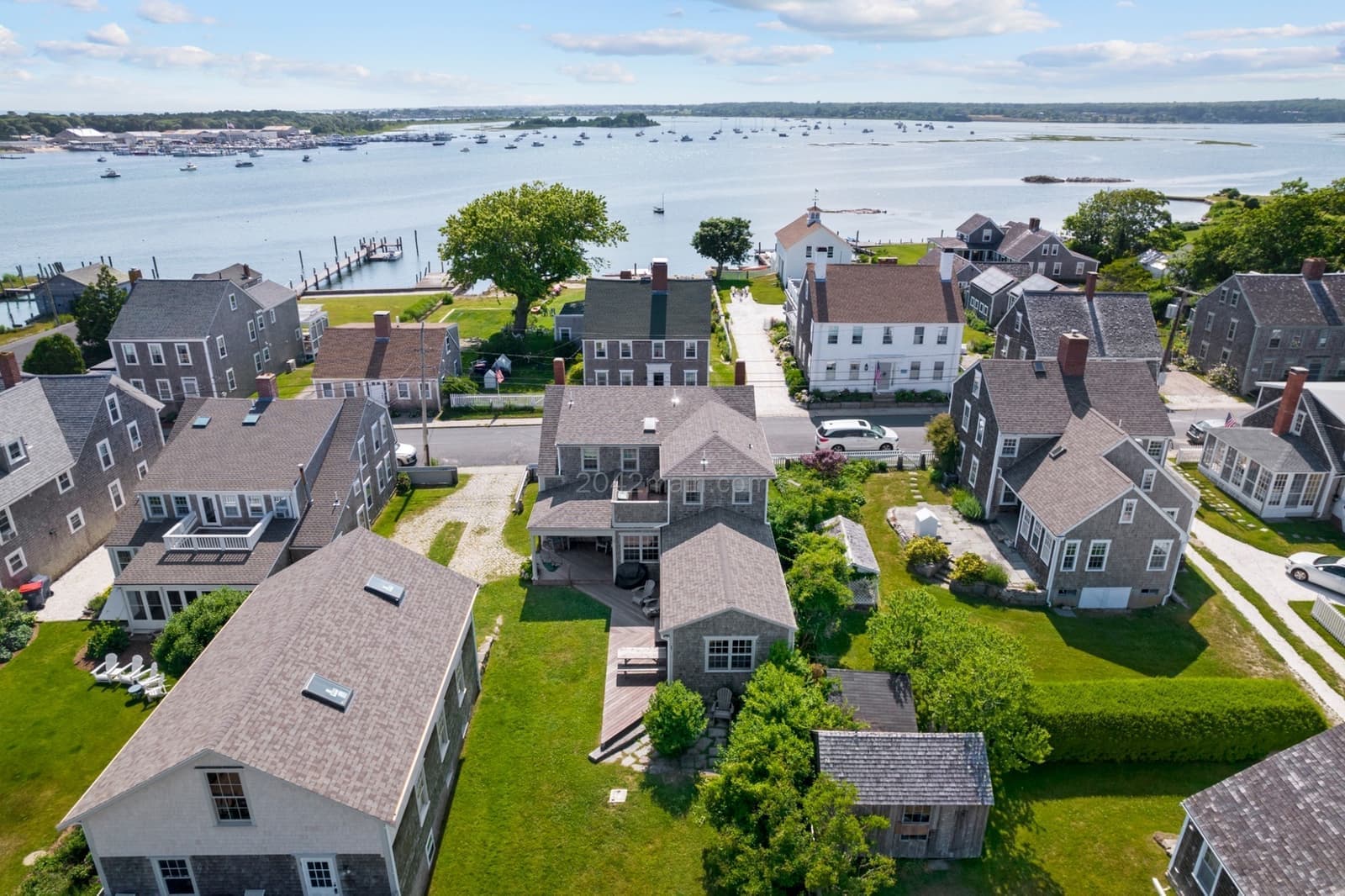
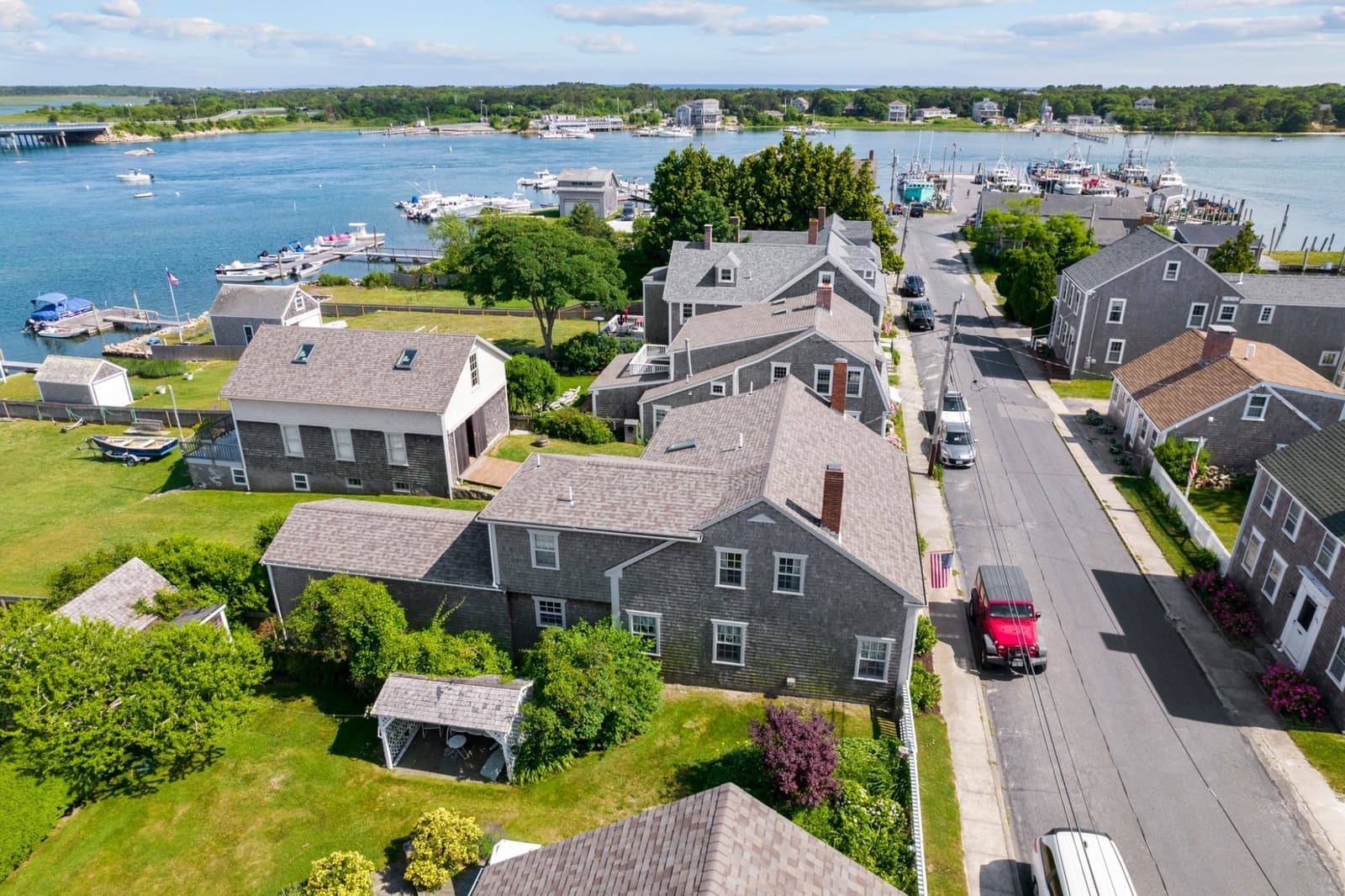
Your Walking Tour from 2042 Main Road
Step out the front door. Turn right on Main Road. You're standing in the middle of the historic district. Walk north past Federal homes and Greek Revival facades. The old graveyard is up the road, headstones dating back centuries. Walk south to the docks and the harbor. The Westport Historical Society offers free self-guided walking tours with stories that go deeper than any plaque: the Westport pauper who became the richest man in New Bedford, the restaurant swept away in the 1954 hurricane with the bartender still inside. Download the tour at wpthistory.org.
The Trail Before the Road
Main Road follows what was likely a pre-existing Native American trail down the peninsula to the water. The area was known as Paquachock to its Native inhabitants. The East Branch of the river was called Noquochoke, meaning “the land at the fork.” The West Branch was Acoaxet, meaning “the land on the other side of the little land.” The road you walk after dinner, past the old homes and the stone walls, has been a path for longer than anyone has been counting.
What year was Westport Point added to the National Register of Historic Places?