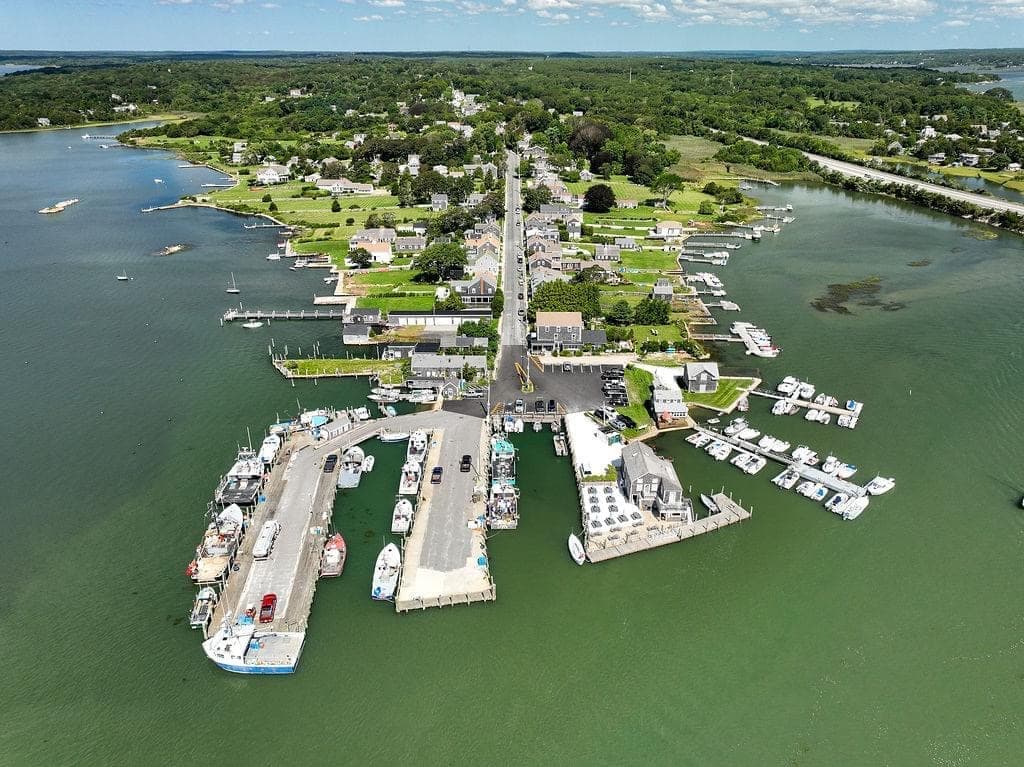
The Harbor
Westport Point sits where the east branch of the Westport River opens into Buzzards Bay. Before it was a summer destination, it was a working port. The earliest commercial activity was the codfish industry. Large drying platforms lined the docks to process fish collected between Nantucket and Newfoundland. Saltworks on the east side of the Point used a complex of pipes, evaporation vats, and sheds to process seawater. Windmills at the southeastern end of the Point pumped water from the harbor into the processing tanks. The Point smelled like salt and labor.
By the early 19th century, whaling had taken over. At its peak in the mid-1800s, twenty to thirty vessels worked out of Westport Harbor at a time. Blacksmiths, coopers, ship carpenters, sail and rope makers all converged at the Point to service the incoming and outgoing ships. In 1860, 1,100 barrels of sperm oil and 250 barrels of whale oil were stored at the docks. The harbor was shallow, and navigating it was an art. Ships kedged their way out by throwing the anchor ahead and pulling in the line, repeating the process until they reached open water. When a whaleship returned from a voyage, its masts were sighted above the sand dunes, and the old pilot, Clark Tripp, would meet the ship, wait until the tide and wind were right, and then sail her right to the wharf, fully loaded.
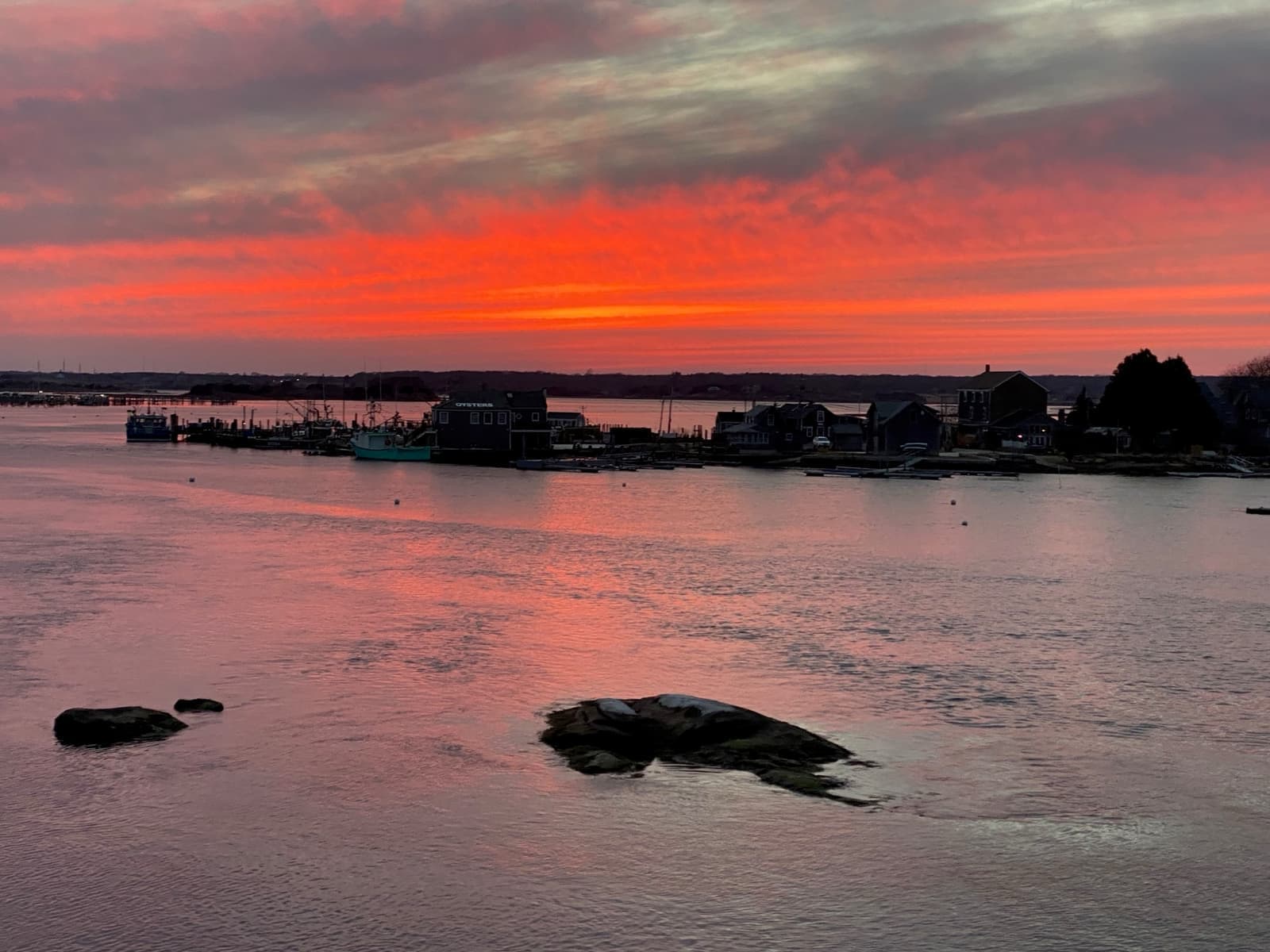
The Ships They Built Here
At least one shipyard operated at the Point. Frank Sisson and Eli Allen built the Kate Cory at a shipyard east of the town landing for A.H. Cory. She was later converted to a brig and was burned off the coast of Africa by the Confederate raider CSS Alabama during the Civil War. The same yard produced the whaleship Mermaid for Westporter Andrew Hicks. These weren't ships built for glory. They were built for work, in a harbor that understood work.
The People
Paul Cuffe was born in Westport. His father Cuffee Slocum was a freed slave. His mother Ruth Moses was Wampanoag. From a small boatbuilding operation, Cuffe built a shipping empire, created jobs for others of African and Native American ancestry, and petitioned Massachusetts for the right to vote as a taxpayer. He's one of the most remarkable Americans most people have never heard of, and his story starts here, on this water.
Albert Gifford kept a whaling log aboard the bark President out of Westport Harbor in 1849. His son Lafayette lived in the house that still stands at 2042 Main Road. The photograph of Lafayette Gifford still hangs in the front room.
Still Standing
Around 1740, a building was completed on what was then the estate of William Howland, down at the wharf. The building still stands. It is one of the oldest commercial buildings on the South Coast of Massachusetts. You can walk to it from 2042 Main Road in about three minutes.
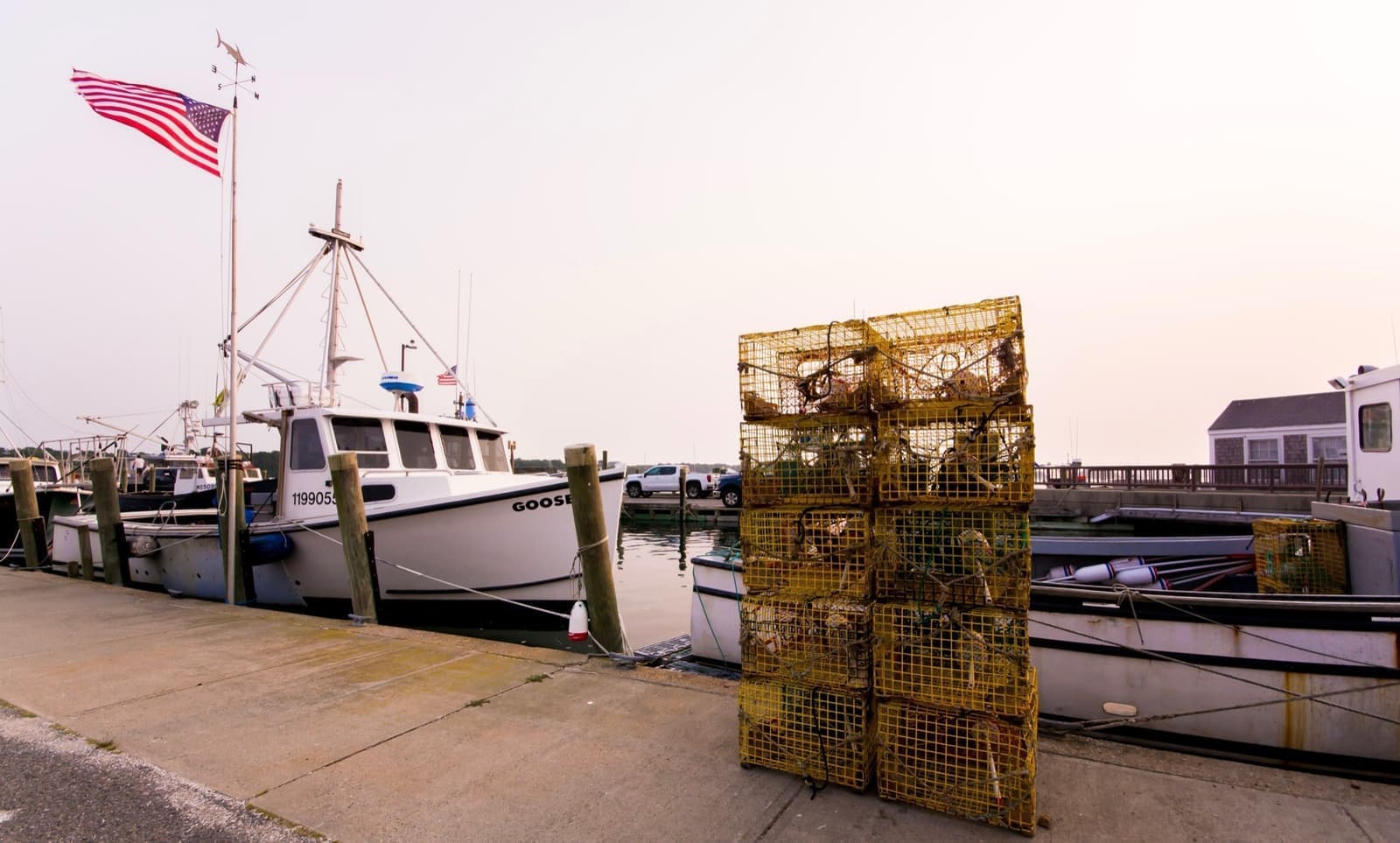
The Bigger Picture
Westport separated from Old Dartmouth in 1787, the same year New Bedford did. At the peak of American whaling in 1857, the combined fleets of New Bedford, Fairhaven, and Westport numbered 447 ships, representing nearly half of all the world's whaling. Westport was never the biggest port. But it was one of the toughest harbors to get into, one of the safest once you were there, and the families who built it are still on the water.
Find the year the first building was completed on the wharf at Westport Point. (Hint: it's still standing.)