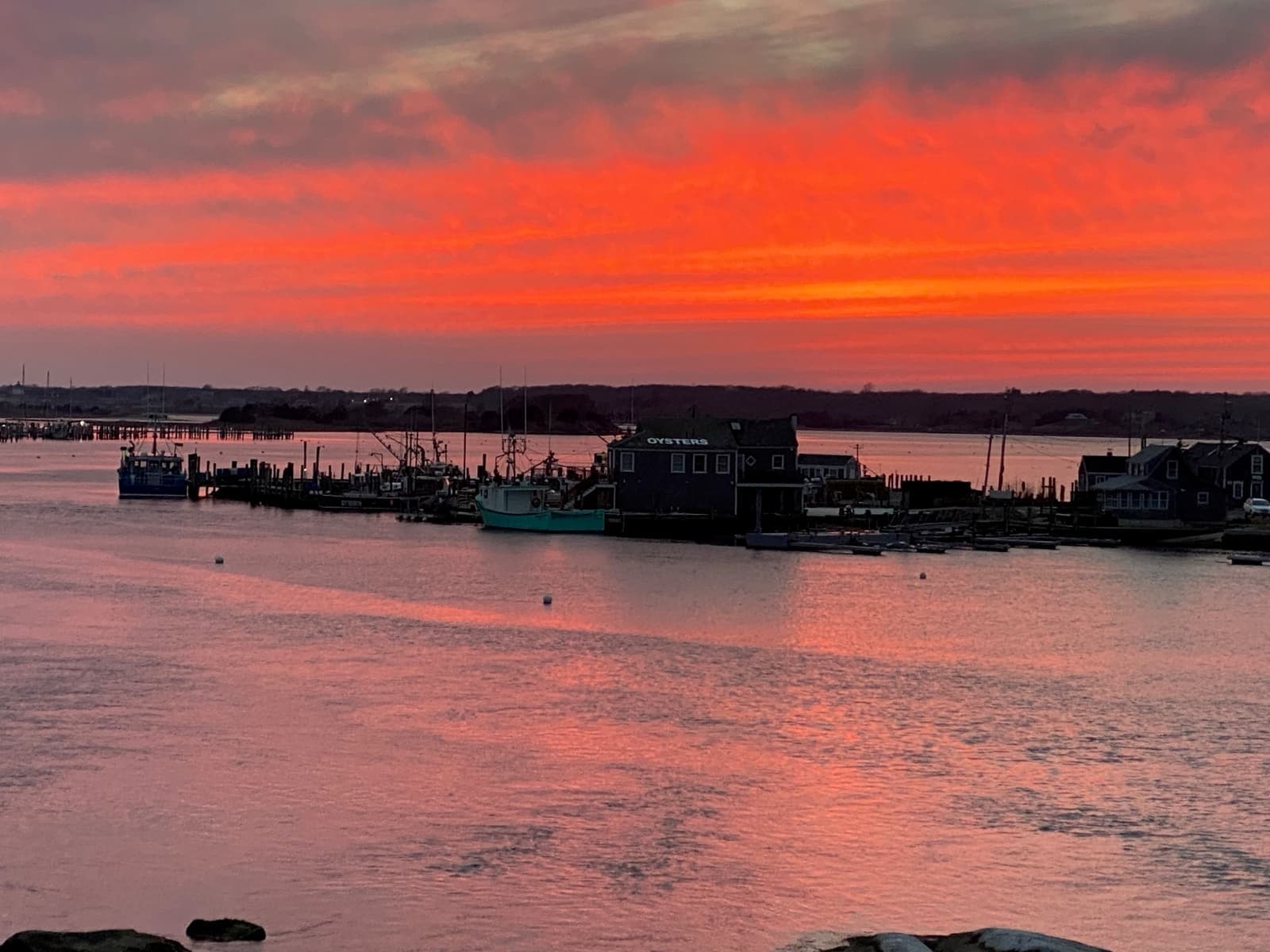
The Devil's Pocket Hole
During the American Revolution, Westport Harbor had a nickname: the Devil's Pocket Hole. The complicated network of sandbars and islands at the harbor mouth made it nearly impossible for anyone but an experienced local pilot to navigate. Once inside, American vessels were masked by the high dunes of Horseneck Beach. The British knew the harbor was there. They just couldn't get into it. This combination of factors didn't completely shield the Point from British attention, but it discouraged the military from landing troops. For the privateers and smugglers who used these waters, that was enough.
What the British Called Smuggling
Beginning in 1764, the British Government imposed duties on imports into the American Colonies. The Sugar Act of 1764 taxed sugar and molasses from non-British ports. The Stamp Act followed in 1765. The Townsend duties in 1767. The colonists called it taxation without representation. They devised alternative sources of supply that would not be subject to British customs officials. The British called it smuggling. The local people considered it legitimate trade. Harbors like Westport, hidden behind sandbars and defended by geography, became essential infrastructure for a revolution that hadn't officially started yet.
The Gaspee Affair
In June 1772, an American schooner called the Hannah tricked the British customs vessel Gaspee into running aground in Narragansett Bay. A raiding party out of Providence, led by prominent citizen John Brown, captured the vessel, offloaded the captain and crew, and burned it to the waterline. The British beefed up their patrol fleet. The colonists searched for safer harbors. The Boston Tea Party came six months later. Newport became a major British naval base, and blockades stretched along the south coasts of Massachusetts, Rhode Island, and Connecticut. The need for harbors that the British couldn't reach grew urgent.
The Privateer Swallow
In August 1777, the Rhode Island privateer Swallow turned into quiet Acoaxet Harbor, the westernmost part of what is now Westport, to take on water, food, and trading commodities. Captain John Murphy filled out a thin crew with experienced seamen left unemployed by the British coastal blockade. State records show Swallow in Acoaxet on August 13, 1777, with a crew of 30 men aboard, ready for a voyage to Cap Francois, Saint-Domingue, carrying fish, oil, and lumber. These were not romantic figures. They were working sailors who needed to eat, sailing out of harbors the British couldn't find.
The Buildout
The Revolution actually drove development at Westport Point. The Point's potential for housing and maritime services resulted in significant development beginning around 1770. Smugglers and privateers needed infrastructure: wharves, storage, sail lofts, provisions. Over the next hundred years, the area developed as a center of coastal shipping and the outfitting of ships. The architecture you see walking Main Road today has its roots in this period. The Revolution didn't destroy Westport Point. It built it.
Bread and Cheese Brook
There's a brook in Westport that still carries a name from 1776. The story goes that a company of Revolutionary War soldiers on a reconnoitering expedition for Lafayette stopped along its banks and ate bread and cheese and drank the water. Two hundred and fifty years later, the brook is still called Bread and Cheese Brook. Some names stick.
Before All of It
Christopher Gifford purchased the first sixty acres at Westport Point from Daniel Wilcox in 1699. Wilcox held a one-thirty-fifth share of the 1652 purchase of 70,000 acres from the Wampanoag Chief Osamequen. A ferry was established at the Point in 1712. The area was settled and laid out as farms by the early 1700s, primarily by the Gifford and Macomber families. Main Road follows what was likely a pre-existing Native American trail. The Revolution came to a place that was already old.
What was Westport Harbor's nickname during the American Revolution?