Not Just Houses
When people talk about Westport's architecture, they usually mean the houses. The Federal-era homes with widow's walks. The Greek Revivals with columned porticos. The Victorians with their ornate brackets. But the architectural story of Westport runs through every structure the town ever built, and that includes the barns.
The Wide Range
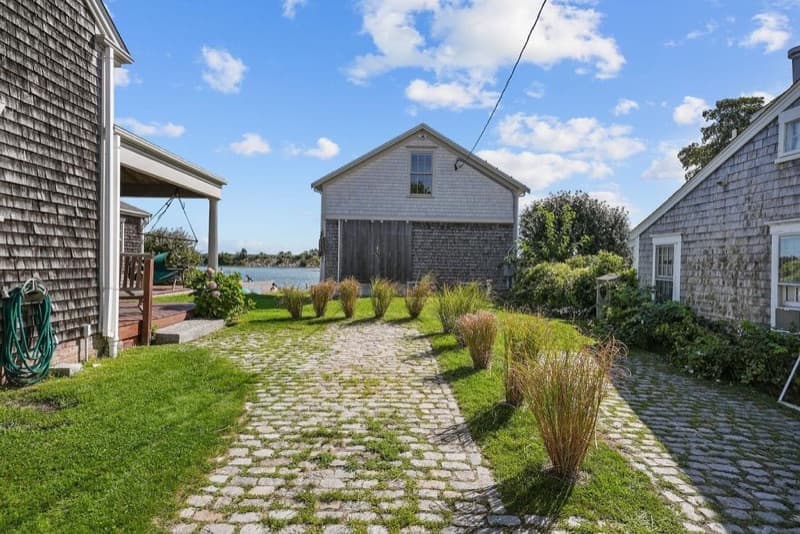
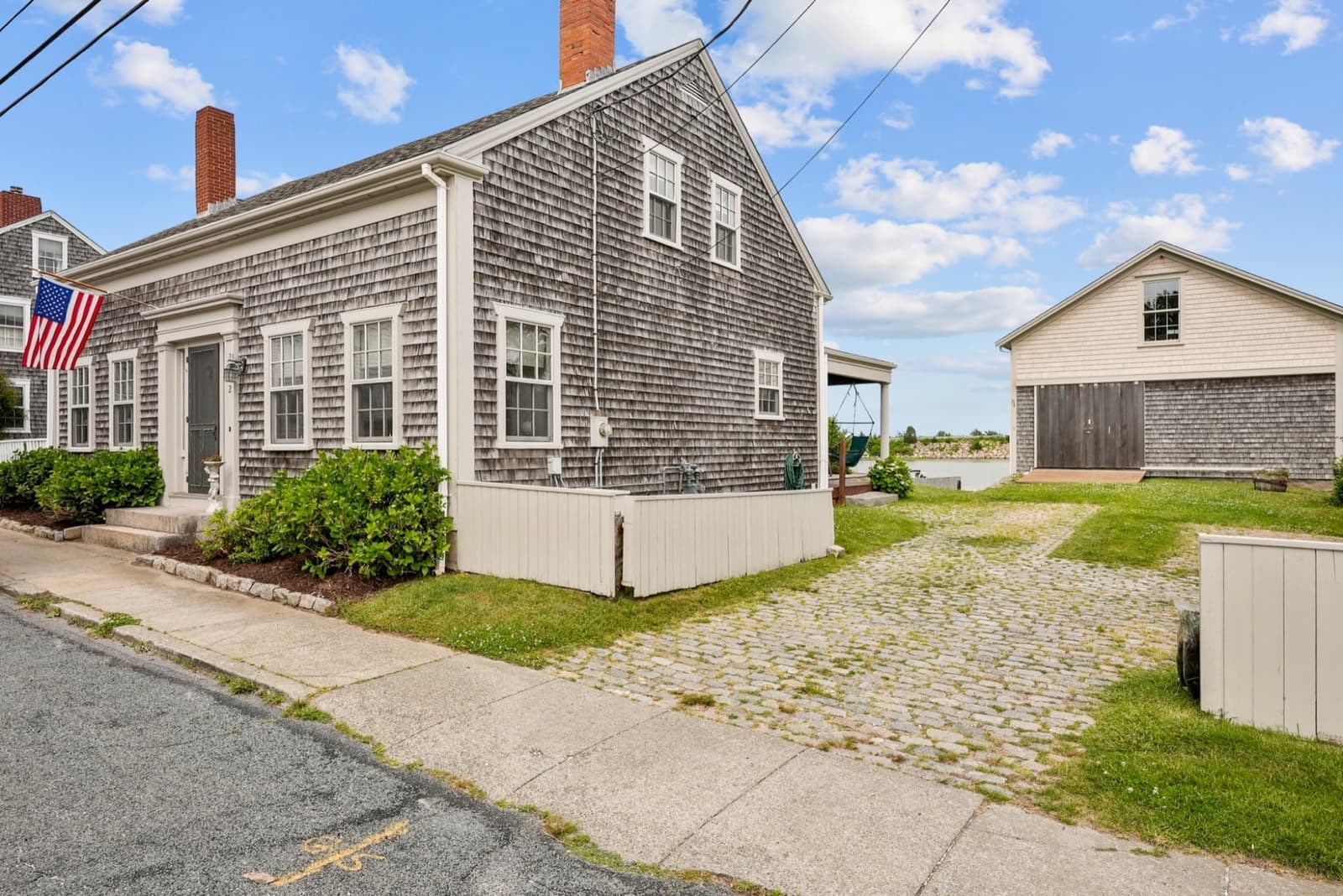
Westport has a wide range of barn types, reflecting the agricultural diversity that defined the town for most of its history. Dairy barns, hay barns, livestock shelters, equipment storage. Some are simple and functional. Others carry the same stylistic details found in the houses next to them: the same roofline pitch, the same window proportions, the same attention to the way wood meets wood. The architectural DNA runs across building types. A barn built by the same hands that built the main house shares the same vocabulary, even if the conversation is different.
Shared DNA
The large public structures in Westport, schools and churches, share the same stylistic influences seen in the residential homes. The Westport Point Methodist Church (1884, Gothic Revival) could sit comfortably next to the Gothic Revival elements found in domestic architecture of the same period. The Centre Meetinghouse at Gifford's Corner (c.1761) reflected the Quaker simplicity that defined the homes around it. When a community builds with consistent values, every structure tells the same story in a slightly different voice.
Still Standing Together
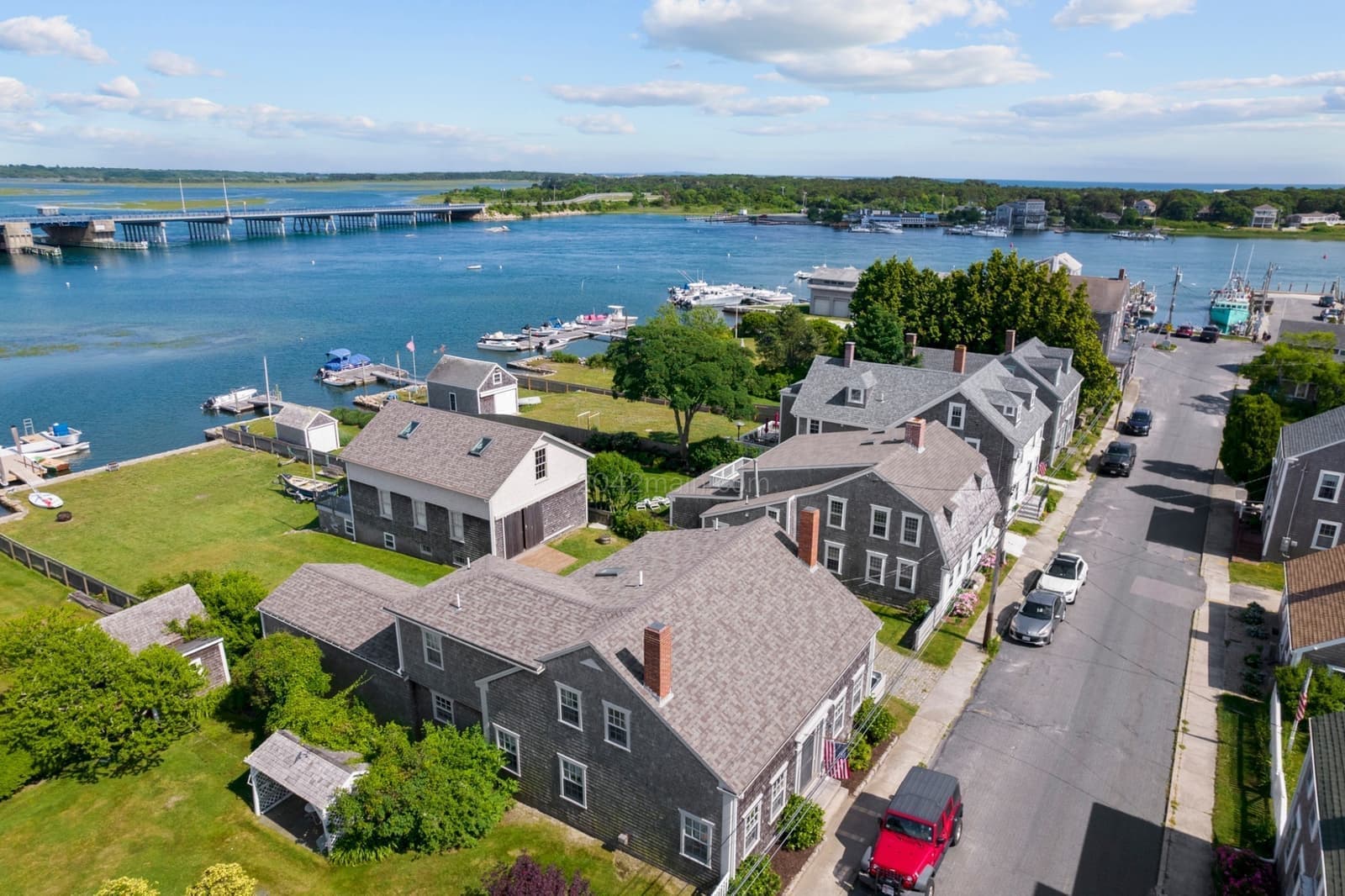
At Westport Point, the working structures still stand alongside the homes they served. The relationship between a house and its outbuildings tells you everything about what mattered to the people who built them.
What Lasts
A barn that's stood for a hundred years wasn't built to impress anyone. It was built to work. The fact that it's still working is the most impressive thing about it. The same is true of the stone walls along Main Road, the dry-laid kind that take generations to build. Nobody starts one expecting to finish it. They start one expecting it to be there after they're gone. That's the Westport building philosophy, whether the structure is a Greek Revival mansion or a hay barn: build it to last longer than you will.
What year was the Westport Point Methodist Church built? (Hint: it's the only church in the historic district.)